 Skip to content
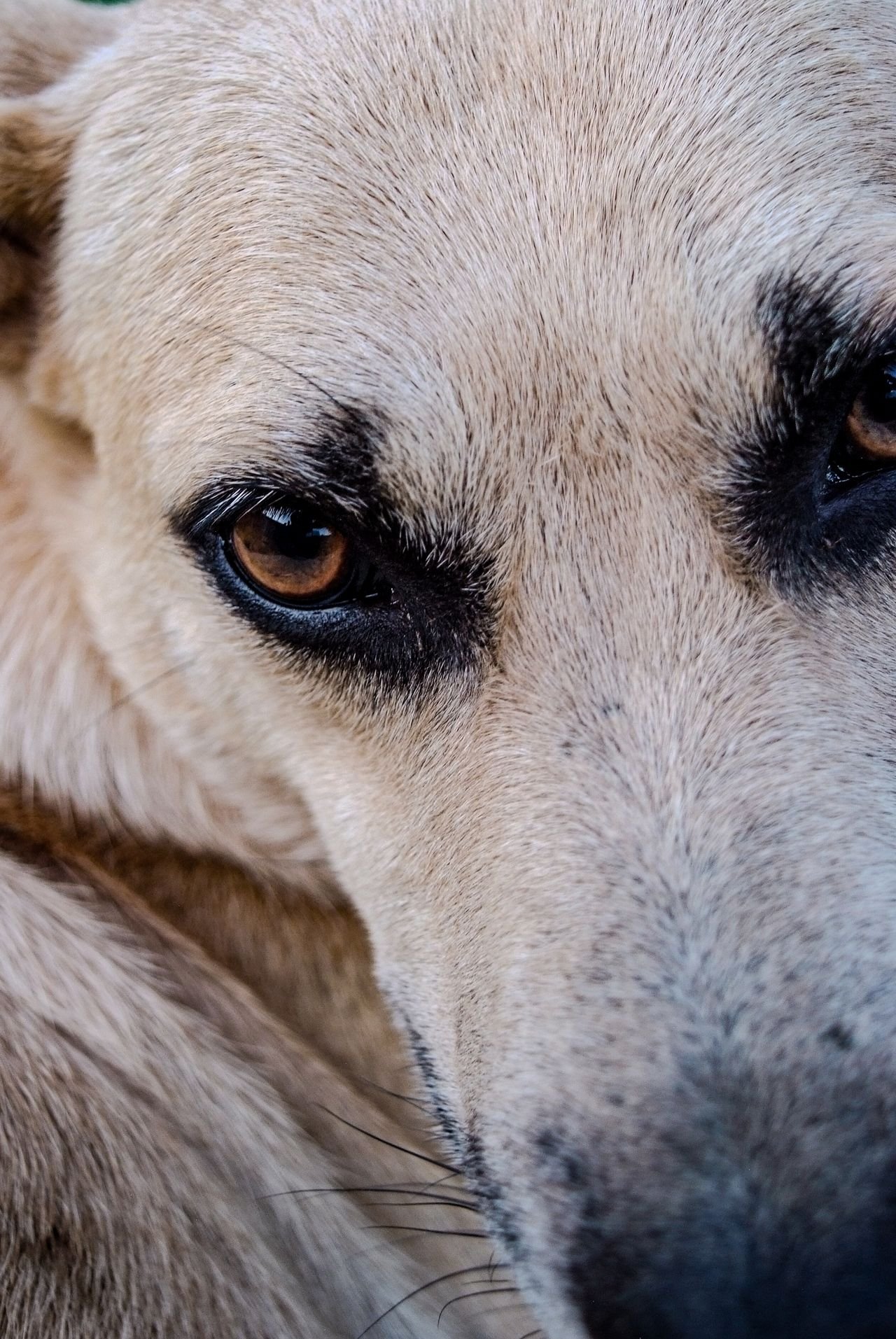
A red, squinting, cloudy, or weepy eye in your dog or cat should never be ignored, because eye problems can worsen quickly and threaten sight. Some causes are minor, others are emergencies, and you cannot always tell them apart at home. At Mission Veterinary Hospital, our team can examine the eye and protect your pet’s vision.
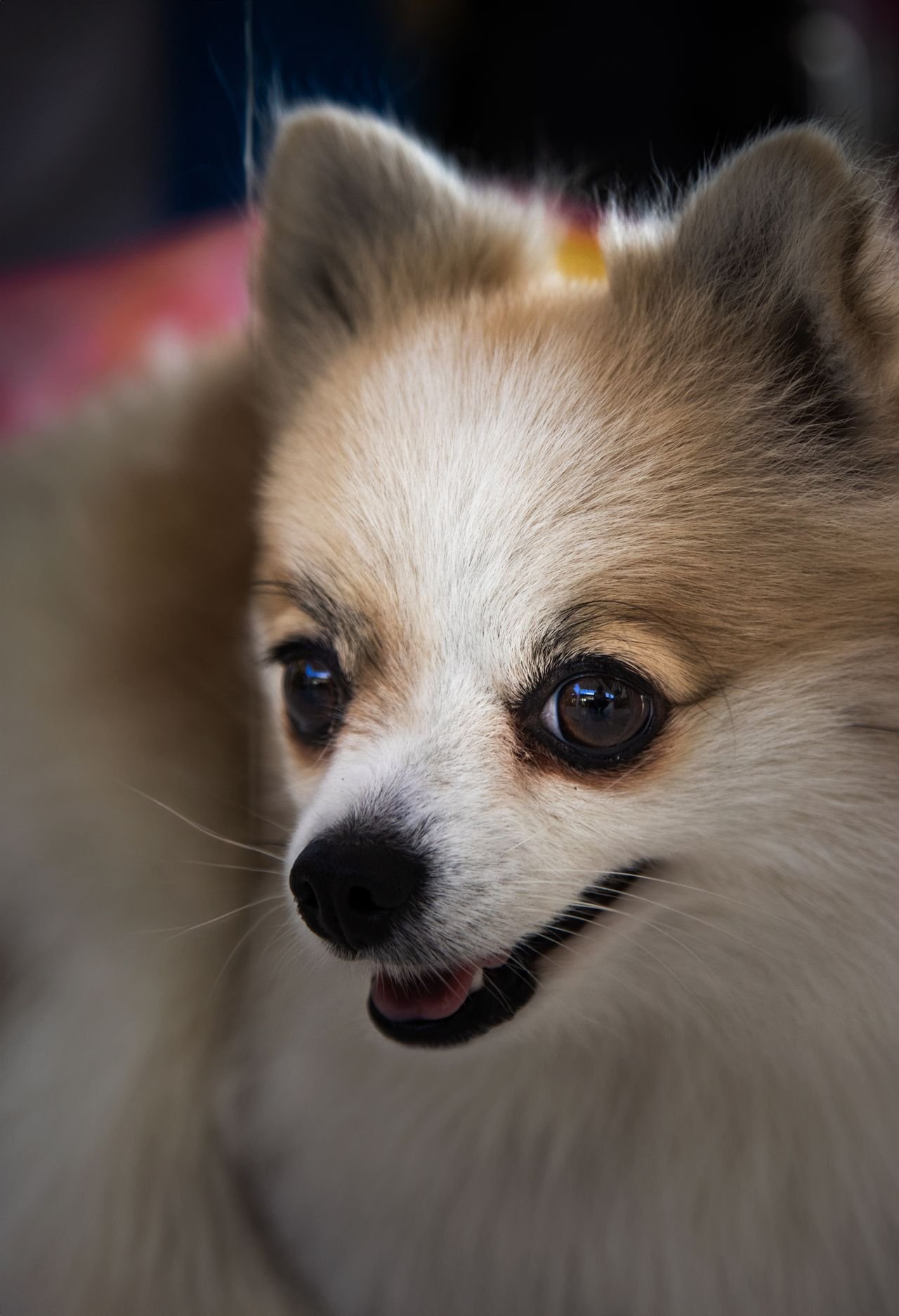
Why eye problems need prompt attention
The eye is delicate, and problems there can move fast. What looks like mild irritation in the morning can become a painful, sight-threatening condition by evening. Eyes also have limited ways of showing trouble, so redness, squinting, or discharge can each point to very different underlying causes. Because vision is precious and hard to recover once lost, an eye that looks or seems wrong is always worth prompt veterinary attention rather than a wait-and-see approach.
Signs something is wrong
Watch your pet’s eyes for any of the following, and have them checked if you notice them:
- Redness or visible blood vessels in the white of the eye
- Squinting, blinking a lot, or holding the eye closed
- Pawing or rubbing at the eye or face
- Discharge that is watery, thick, yellow, or green
- Cloudiness, a bluish haze, or a change in eye colour
- A bulging, swollen, or sunken eye, or visible third eyelid
Common causes of eye trouble
Eye problems have many causes. Conjunctivitis, an inflammation of the tissue around the eye, is common and causes redness and discharge. Corneal ulcers, scratches on the surface of the eye, are painful and need prompt care. Dry eye, where a pet does not produce enough tears, leads to chronic irritation and thick discharge. Glaucoma, a painful rise in pressure inside the eye, and injuries or foreign material such as a grass seed are also seen. Certain breeds are more prone to specific eye conditions.
The eye emergencies you should know
Some eye situations cannot wait. Sudden, severe pain, a cloudy or bluish eye that appears quickly, an eye that is bulging or out of its socket, a deep wound, or any sudden change in vision should be treated as an emergency. Glaucoma in particular can cause permanent blindness within a day or two if it is not treated quickly. When in doubt, it is always safer to have an eye seen the same day, and our emergency care team is here when it cannot wait.
Why home remedies are risky
It is tempting to reach for leftover eye drops or an online remedy, but this can cause real harm. Some medications, including certain steroid drops, can dramatically worsen a corneal ulcer, and the wrong product can delay proper treatment while the problem advances. Flushing with anything other than a sterile saline made for eyes, or trying to remove an embedded object yourself, can also do damage. The safest step is to have the eye examined before putting anything in it.
How your veterinarian examines the eye
A proper eye exam is painless and informative. Your veterinarian looks closely at the structures of the eye and may use a harmless stain to reveal scratches or ulcers on the surface, measure the pressure inside the eye to check for glaucoma, and assess tear production if dry eye is suspected. Our pet diagnostics and medical services teams use these tools to pinpoint the cause, and when a problem needs a procedure, our surgical services team can help. Mission Veterinary Hospital is a family-run hospital led by owner and veterinarian Dr. Jatinder Mundi, with veterinarians registered with the College of Veterinarians of British Columbia.
Breeds and pets that need extra eye care
Some pets are more prone to eye trouble and benefit from closer watching. Flat-faced breeds such as Pugs, Bulldogs, and Persian cats have prominent eyes that are more exposed to injury and dryness. Breeds with loose facial skin or rolled eyelids can suffer chronic irritation, and certain breeds are predisposed to conditions like dry eye, glaucoma, or inherited issues. Knowing your pet’s tendencies helps you catch problems early.
Age matters too. A bluish haze in the lens of an older pet is often a normal aging change, but cloudiness can also signal cataracts or other conditions, and only an exam can tell them apart. If your pet is in a higher-risk group, mention it at wellness visits so the eyes get an extra look.
Frequently asked questions
My pet has a little eye goop. Is that normal?
A small amount of clear discharge can be normal, but thick, coloured, or increasing discharge, especially with redness or squinting, is not. When in doubt, have it checked, since early eye problems are easier to treat.
Can I use human eye drops on my pet?
Not without veterinary guidance. Some human drops are harmful to pets or can worsen certain eye conditions like ulcers. Always have the eye examined before applying anything.
How urgent is a squinting, painful eye?
Quite urgent. Squinting usually means pain, which can signal an ulcer, glaucoma, or injury. These need prompt care, ideally the same day, to relieve pain and protect vision.
Why does my pet keep getting eye infections?
Recurring eye trouble can point to an underlying issue such as dry eye, an eyelid problem, or allergies. Identifying and managing the root cause is what prevents repeated flare-ups.
Can eye problems cause blindness?
Some can, especially if untreated. Conditions like glaucoma and severe ulcers can threaten vision quickly, which is why prompt veterinary care for eye trouble is so important.
My pet rubs one eye a lot. Should I worry?
Persistent rubbing or pawing usually means discomfort and should be checked. Rubbing can also worsen an existing problem, so it is best to have the eye examined rather than waiting.