
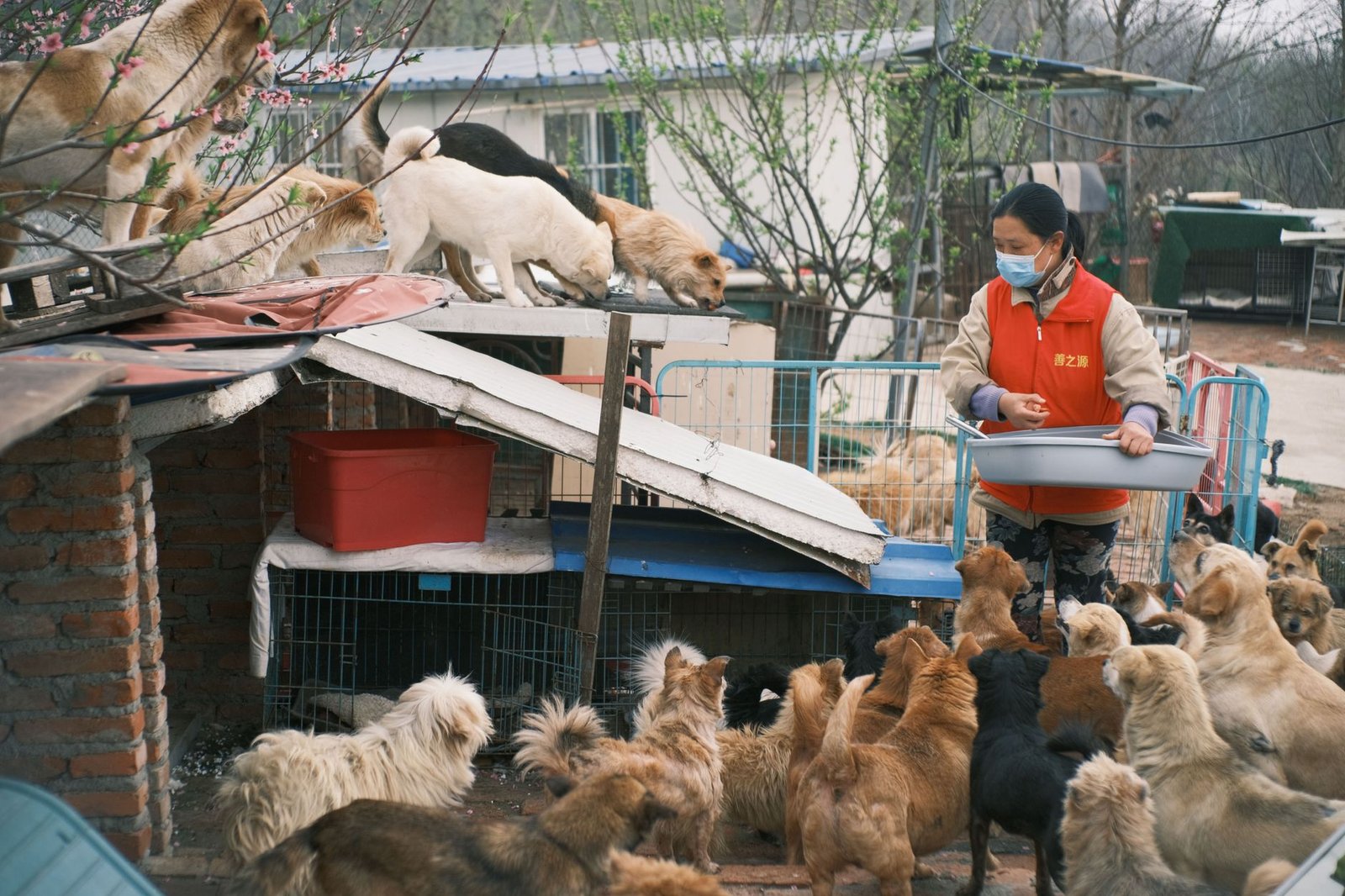
When a household that has been home all summer suddenly empties in September, many pets struggle. Start the change several weeks early: practise short absences, break the link between keys, shoes and eight hours alone, keep departures low key, and leave a puzzle feeder. Panic, destruction at doors or self-injury warrants a veterinary exam.
Why September is harder on a pet than an ordinary day alone
Across Mission, Cedar Valley and Hatzic, summer households run full. Someone is usually home, the back door is open, and there is company for most of the day. Then, on the first school morning after Labour Day, that same house goes from constant company to eight hours of silence in a single step.
The problem is not the eight hours by themselves. It is how fast they arrive. A pet who has spent nine or ten weeks with people nearby gets no gradual on-ramp, no practice runs, and no reason to expect the quiet. Dogs track household routine far more closely than most owners realize, and an abrupt change to that routine is genuinely destabilizing.
Two groups feel it most sharply. Dogs who came home during the pandemic years grew up in houses that were almost never empty, and a number of them never built an ordinary tolerance for solitude. The second group is this year’s spring and summer puppies, who joined a family during the busiest, most crowded stretch of the calendar and have honestly never lived through a quiet weekday.
Early fall adds one more pressure. Daylight shortens noticeably week by week through September, so the evening walk that used to happen in the light gets trimmed or skipped at precisely the moment your pet needs the outlet most. Less exercise combined with more alone time is a hard mix for a dog who is already unsettled.
Boredom or real distress: telling the two apart
From the doorway these look similar, and they are not the same problem at all. Boredom is an under-occupied pet filling empty time. Distress is panic. What helps is different in each case, so watch carefully before deciding which one you have.
Boredom usually looks like this:
- One chewed item, often a shoe, a cushion, or something that smells like you
- Bins or counters raided, followed by a long nap
- A dog who settles once the interesting thing has been dealt with
- An ordinary, unremarkable greeting when you walk back in
- Eating, drinking and sleeping normally while you are out
Genuine separation distress reads differently, and the pattern is what gives it away:
- The anxiety begins before you leave, as you pick up keys or reach for your shoes
- Barking, howling or crying for long stretches rather than a couple of minutes
- Damage aimed specifically at exit points: doors, frames, blinds, window sills
- Urinating or passing stool indoors in a pet who is otherwise reliably house trained
- Drooling, heavy panting, or pacing the same route over and over
- Refusing food, or ignoring a favourite treat, for the whole time they are alone
- Self-injury while trying to escape a crate, a room or a doorway: torn nails, scraped paws, damaged teeth
A camera, or simply a phone propped on a shelf for the first twenty minutes, tells you more than any amount of guessing. A dog who settles after five minutes has a management problem. A dog still frantic at twenty minutes has a welfare problem.
Cats show this too, just far more quietly
The reputation cats have for self-sufficiency does a lot of them a disservice. A cat closely bonded to one member of the family can find the September shift every bit as unsettling as a dog does. The difference is that a cat’s version of coping badly is easy to mistake for character.
Overgrooming is the classic sign, and it usually turns up as fur licked short rather than as an obvious sore. Run your hands over the tummy and the backs of the legs, and compare what you feel now against a month ago. Litter box habits are the next thing to track, both where your cat goes and how many times a day. Then add the cats who spend the afternoon tucked into a new hiding spot, the ones who leave their food untouched until evening, and the ones who will not stop talking to you the second you get in.
None of this proves anxiety on its own. Overgrooming can just as easily be itchy skin from fleas or allergies, and a change in litter box habits is one of the more common signs of urinary trouble in cats. That overlap is exactly why a cat with new symptoms needs an exam before anybody settles on a behavioural explanation. Our veterinary medical services team can work through the physical causes first, which is the right order to do this in.
Start the change now, not on the first school morning
You have several weeks before the first bell, and that head start is the whole advantage. Staggering the change while the house is still relaxed is far kinder than dropping it on your pet all at once on a hectic September morning.
- Move the schedule early. Begin waking, feeding and walking at the September times a few weeks ahead, so only one thing actually changes on day one.
- Practise short absences deliberately. Step out for two minutes, then ten, then thirty. Return before your pet becomes anxious rather than after. Progress is built out of absences that end calmly.
- Strip the meaning out of the departure signals. Lift the keys off the hook, then carry on watching television. Lace your boots up and start the dishwasher. Work the front door latch without stepping outside. Done often enough, and at random times of day, those cues stop forecasting a long absence.
- Make leaving and returning boring. A drawn-out goodbye and a big reunion raise the emotional stakes at both ends. Quiet exit, quiet return, and a proper greeting once your pet has settled.
- Hand out a job at the moment you go. A puzzle feeder, a stuffed and frozen toy, or a long-lasting chew turns your departure into the start of something good. Choose the item with your veterinary team if your pet is a determined chewer or has dental concerns.
- Exercise before the quiet stretch, not after it. A real walk or a solid play session ahead of your departure means your pet begins the empty hours tired instead of wound up.
- Break the day in half where you can. A midday walk, a neighbour or family member dropping by, or a few hours of daycare turns eight hours alone into two more manageable blocks.
- Leave the house feeling normal. Familiar background sound, a bed in its usual spot, and a curtain drawn across the front window all reduce the reactivity that builds over a long, silent day.
Give this time. It is conditioning rather than instruction, and progress is measured in weeks. Two steps forward and one back is the normal shape of it, not a sign that you are doing it wrong.
When this is medical, not misbehaviour
True separation anxiety is a panic disorder. It is not disobedience, it is not spite, and it is not a pet getting even with you for leaving. It is also not something your dog or cat can decide to stop doing. That distinction matters, because it changes what should happen next.
Punishment makes it worse, every time. Coming home to damage and responding with anger stacks fear of your arrival on top of fear of your departure. A pet who shrinks when you walk in is not displaying guilt, it is predicting what tends to follow. Confining a panicking dog more tightly usually escalates the panic rather than containing it.
Treat it as a real welfare problem when your pet cannot be left at all, hurts itself trying to escape, or is distressed for the entire time you are gone. That is the moment to book a focused conversation instead of continuing to improvise. Our behavioural guidance and referral appointments exist for exactly this, and where a case needs more than general practice can offer, our team can help arrange a referral to a veterinary behaviourist. Some pets do better with a broader treatment plan built alongside a veterinarian, and that belongs in an exam room conversation rather than a search bar.
If your pet has already injured itself trying to get out, that is not something to monitor over a weekend. Broken teeth, torn nails and cut paws need looking at, and our emergency care team accepts walk-in cases seven days a week.
Sudden change in an older pet deserves an exam
Behaviour that shifts suddenly in a middle-aged or senior pet is a different situation from a young dog wrestling with a new schedule, and it should not be filed under anxiety by default. Pain is a common and under-recognized driver: a sore pet is less tolerant, less able to settle, and more likely to react badly to being left. Hearing or vision changes can make an empty house feel much less safe than it once did.
Underlying illness can present the same way. Endocrine conditions, discomfort that peaks during rest, and a range of internal health problems can all show up first as a change in how a pet behaves rather than as an obvious physical symptom. A hands-on exam plus in-house diagnostics, including bloodwork run on site, is the quickest way to separate a medical cause from a behavioural one.
This is part of why the routine visit earns its keep. Behaviour gets reviewed as part of every wellness exam at our clinic, so the changes you have half noticed at home get talked through before they become entrenched. If your pet is a puppy still working out what to do with their teeth, our guide to teething, chewing and training puppies covers the training side in more depth.
Frequently asked questions
When should I begin getting my dog used to the new September schedule?
Give yourself three to four weeks before the first day. That window is long enough to move meal and walk times across in small steps, run a series of brief departures, and find out how your dog is genuinely coping while you still have room to change course. A last-minute weekend of preparation beats none at all, but it leaves you no margin if things go badly.
Is my dog being spiteful when they chew the door while I am out?
No. Damage focused on doors, frames and windows is escape behaviour driven by panic, not a comment on your absence. Dogs do not plan revenge, and the guilty look on your return is a reaction to your body language and tone rather than an admission. Scolding after the fact adds fear without changing the underlying emotion.
Do cats need this preparation too?
Yes, and their signals are much easier to miss. Fur licked thin, altered litter box habits, retreating to a new hiding place, picking at meals, and loud or sticky behaviour on your return are the common ones. Since every one of those also appears in several medical conditions, arrange an exam before landing on a behavioural explanation for a cat.
Would a second pet keep my dog company?
Rarely, and it sometimes backfires. Where the distress is about one particular person being gone, another animal in the room does not fill that space. You would also be introducing a newcomer into an unsettled household at exactly the point in the year when your existing pet has the least capacity to absorb it.
Will my puppy simply grow out of it?
Some puppies settle with age and honest practice at being alone, but distress that goes unaddressed tends to become more entrenched rather than less. Panic that has been rehearsed daily for months is harder to unpick than the same pattern caught in week two. If your puppy cannot cope with even a short absence, raise it at your next appointment.
Facing a quiet house in September? Let us help you plan it
The weeks before school starts are the useful ones, so there is real value in sorting this out while your household is still relaxed. Call Mission Veterinary Hospital at (604) 826-8456 to book a focused behaviour appointment, or begin with our behavioural guidance and referral service, and our team can build a workable plan with you before the front door closes on that first school morning.
Published by the team at Mission Veterinary Hospital.
Treat this as background reading rather than veterinary advice about your own animal. No article can put its hands on your dog or cat, and that is what produces a diagnosis and a plan. Worried today? Ring Mission Veterinary Hospital within our opening hours, and turn to an emergency veterinary hospital when we are closed.
Mission Veterinary Hospital
31945 Lougheed Hwy, Mission, BC V2V 0K8, Canada
Phone: +1 (604) 826-8456
Hours: Monday to Friday 8am to 8pm
Saturday and Sunday: 9am to 5pm
Statutory Holidays: Closed