
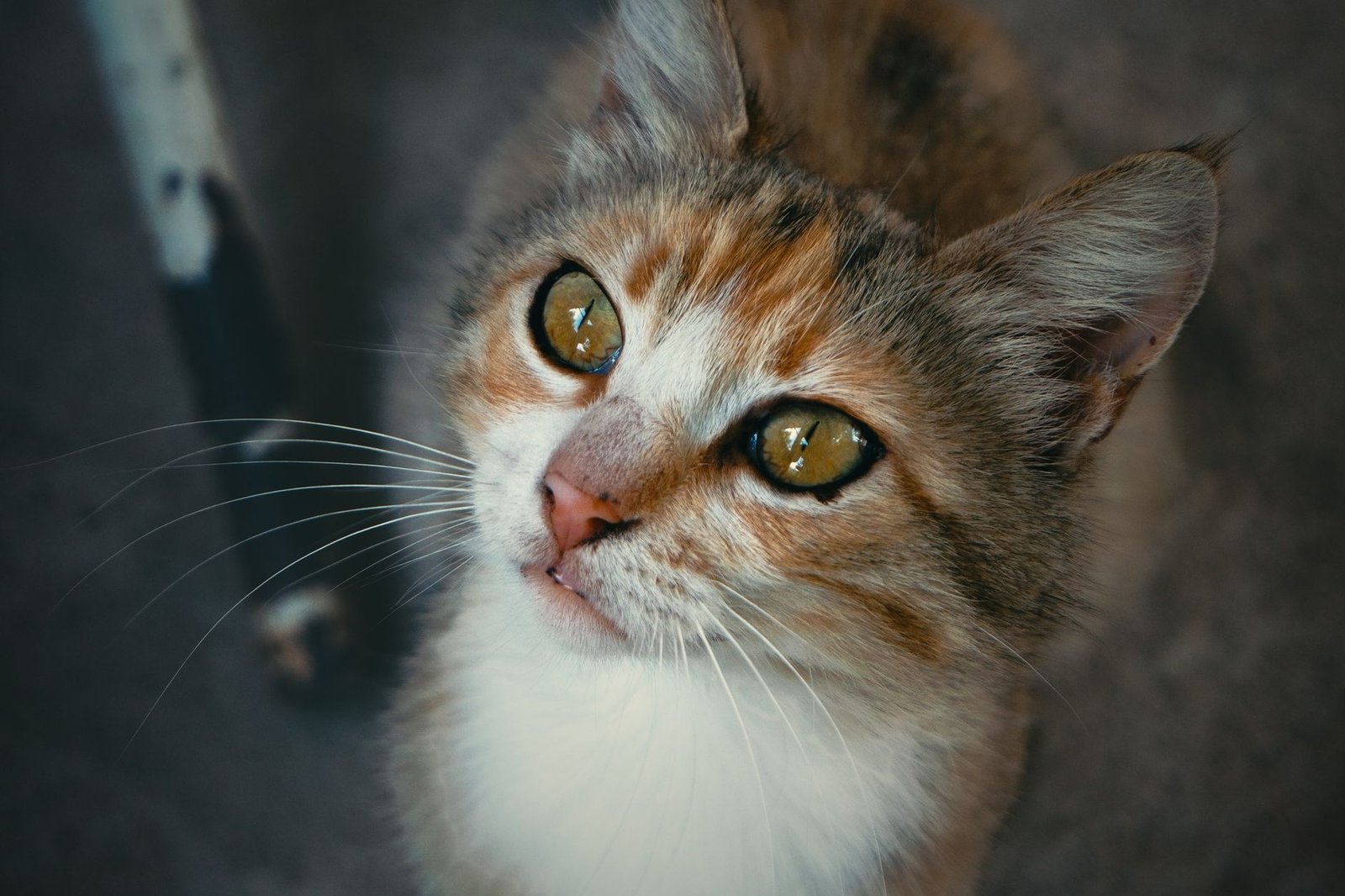
Owners notice this in autumn more than any other season. Darker evenings and longer nights make an older pet’s confusion visible in a way that summer hid. Pacing, staring, night waking and getting stuck in corners are not simply old age. Some causes are treatable and several are not cognitive at all.
Why the darker months bring it to the surface
The change is usually in what you can see rather than in the pet.
An older dog with early cognitive decline often copes well while the days are long. There is light, activity and routine to anchor to. From late September the evenings darken, the household settles earlier, and the long quiet night begins hours sooner than it did in July.
Failing vision and hearing compound it. A pet that navigates confidently in daylight can be genuinely lost in a dim hallway, and a pet that cannot hear you approach startles in a way that looks like confusion.
The result is that an owner who saw nothing unusual in August is now up at two in the morning with a dog standing in a corner. The underlying change has usually been developing for months.
What to actually look for
The pattern to watch is a change from your pet’s own normal, not a match to a checklist. In dogs:
- Disorientation. Standing in corners, going to the hinge side of a door, appearing briefly lost in a familiar room
- Changed interactions. Less greeting, less seeking contact, or the opposite, becoming unusually clingy
- Sleep reversal. Sleeping heavily through the day and pacing, panting or vocalising at night. This is the one that exhausts households
- House training lapses in a previously reliable pet, often going indoors shortly after being outside
- Reduced activity, or aimless repetitive activity such as circling or wandering
- Anxiety that is new, particularly at dusk and about being alone
- Staring at walls or into space
- Forgetting learned cues, or not recognising familiar people at first
In cats it is quieter and easier to miss. Loud night vocalising, especially in an empty room, is the classic sign. Also watch for missing the litter box, sleeping in new places, becoming withdrawn or unusually demanding, and a coat that has become unkempt because grooming has stopped.
The part that matters most
Every one of those signs has other causes, and several of them are things we can do something about. Assuming dementia is how those get missed.
- Pain, particularly joint pain, which is the most common mimic. A dog that cannot settle at night, paces, and is reluctant to lie down is very often uncomfortable rather than confused
- Vision loss, which produces bumping, hesitancy and startling, and is often gradual enough that nobody notices until the light drops
- Hearing loss, which looks exactly like not responding
- High blood pressure, which can cause sudden vision loss and disorientation and is frequently secondary to something else
- Kidney or liver conditions, which affect mental state
- An overactive thyroid in older cats, a very common cause of night yowling, restlessness and weight loss
- Urinary problems, which cause indoor accidents that look like forgetting
- Brain conditions, including tumours, which can present as behaviour change
This is why the first step is an examination rather than a supplement. Our medical services team will examine, check blood pressure, and assess vision, hearing, joints and neurological function. Our pet diagnostics cover the bloodwork and urine testing that separate a thyroid or kidney problem from a cognitive one.
Vision in particular is worth checking properly rather than assuming, and our guide to pet eye problems covers the changes that are easy to overlook until the evenings draw in.
What genuinely helps at home
These sit alongside veterinary care and none of them involve giving your pet anything.
- Night lights. Low lights along the route between bed, water and the door. Simple, cheap, and frequently the single most effective change
- Keep the layout the same. Do not rearrange furniture, and keep bowls, beds and litter trays exactly where they are
- Traction. Runners across slippery floors. A confused pet that also slips becomes reluctant to move at all
- A predictable routine. Meals, walks and bedtime at the same times. Predictability substitutes for the memory that is failing
- A last toilet trip late, and an easy route to get out overnight
- Low-sided litter trays for cats, and more of them, on the floors your cat actually uses
- Daytime activity and daylight exposure, which helps the day-night rhythm more than people expect. Even a short walk in morning light
- Gentle mental work, so food puzzles and short easy training. Use it or lose it applies here
- Do not punish accidents or night waking. Your pet is not being difficult and it cannot learn its way out of this
Be honest about the nights
A household that has not slept properly for weeks is not a footnote. It is one of the main reasons older pets are given up or euthanased, and owners are often reluctant to say how hard it has become because it feels like a failure.
It is not. Tell us. Night waking is one of the more manageable parts of this once the cause is understood, and there is usually more that can be done than owners assume. Coming in early, while the pattern is still mild, gives far more to work with than arriving at the point of crisis.
Frequently asked questions
My dog is fourteen. Is this just what happens?
Age is not a condition. Cognitive change is common in older pets but it is not inevitable, and the signs overlap heavily with pain, vision loss, thyroid disease and kidney problems, all of which are worth identifying. It is worth finding out which, because several of the possibilities can be helped considerably.
My cat yowls at night in an empty room. What is that?
In an older cat this is a classic presentation with three common explanations: cognitive change, an overactive thyroid, or high blood pressure with vision loss. The last two are identifiable with straightforward testing and both respond to being addressed. Please book rather than accepting it as an eccentricity.
Are supplements worth trying?
Some have reasonable evidence and some do not, and quality varies enormously between products. The important thing is sequencing. Ask us before starting anything, and after the examination rather than instead of it, because starting a supplement can delay finding a cause that needed identifying.
Does it get worse quickly?
Usually it is gradual over months to years rather than sudden. A rapid change over days or weeks points away from cognitive decline and toward something else, and that should be seen promptly rather than watched.
Will a night light really make a difference?
For many pets, yes, particularly where reduced vision is part of the picture. A great deal of night-time distress in older pets is about not being able to navigate in the dark rather than about confusion itself. It costs almost nothing to try and owners frequently report an improvement within days.
How do I know when it is affecting quality of life?
Think about the good days versus the difficult ones, and whether the things your pet enjoys are still happening. Keep a simple diary for a fortnight, because trends are much clearer on paper than in memory. Then have the conversation with us honestly. It is a conversation we have often and you do not have to reach a conclusion alone.
Speak to the team at Mission Veterinary Hospital
If your older dog or cat has become confused or restless at night, book an examination rather than putting it down to age. Call us on (604) 826-8456.
Published by the team at Mission Veterinary Hospital.
This article is for general educational purposes only and is not a substitute for an in-person veterinary examination or advice about your individual pet. If you have an urgent concern about your pet, contact Mission Veterinary Hospital or your nearest emergency veterinary hospital right away.
Mission Veterinary Hospital
31945 Lougheed Hwy., Mission, BC V2V 0K8
Phone: (604) 826-8456
Hours: Monday to Friday 8:00 AM to 8:00 PM; Saturday and Sunday 9:00 AM to 5:00 PM